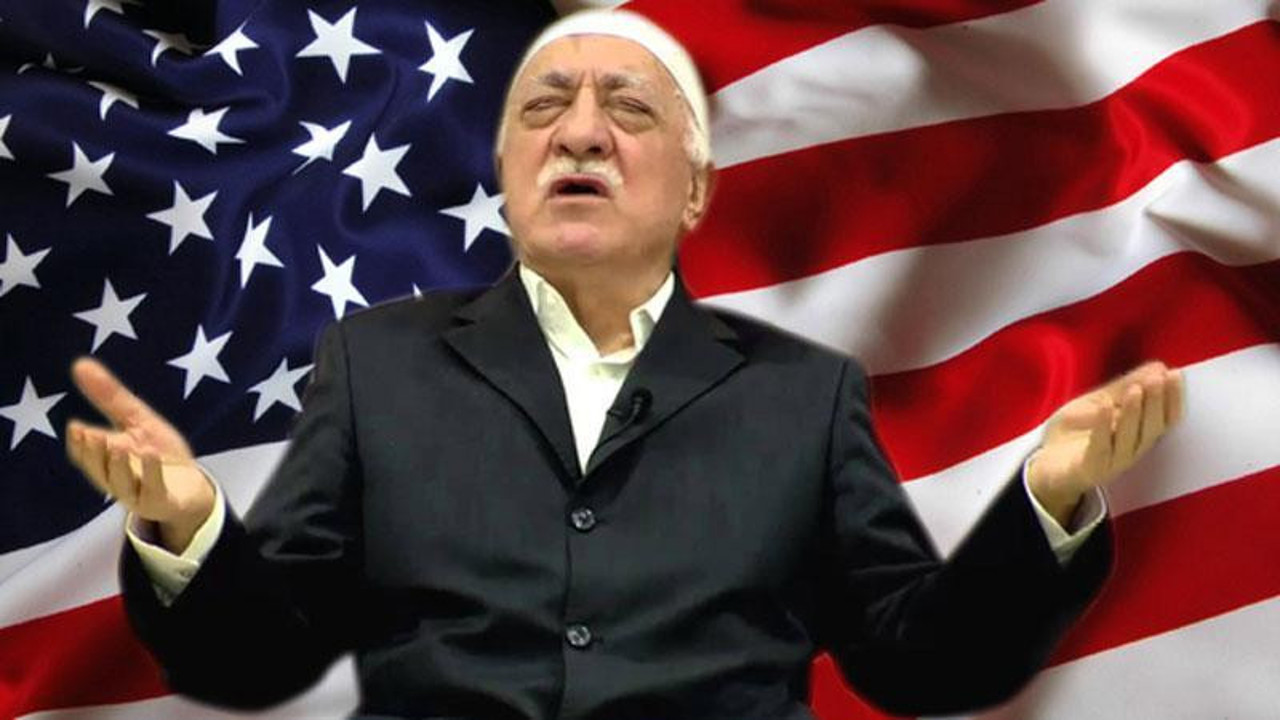
Is FETÖ a US project?
Is FETÖ a US Project?
Posted on May 10, 2026 by Dtesca
Is FETÖ a US project?
While it is debatable whether FETÖ is solely a US project, the organization’s growth, protection, and the support it received at critical moments indicate a very close symbiotic (mutually beneficial) relationship with US foreign policy and intelligence interests.
Claims that FETÖ (Fethullahist Terrorist Organization) is a US project have been one of the most debated and analyzed issues in Turkey, both at the state level and in the public sphere, especially after the July 15, 2016 coup attempt.
We can evaluate the basic arguments and concrete facts regarding this issue under the following headings:
- US Logistic and Political Support
The strongest basis for this claim is that the organization’s leader, Fethullah Gülen, has been living in the US state of Pennsylvania since 1999.
Residence Permit Process: The fact that former CIA employees (such as Graham Fuller and George Fidas) and former US Ambassador to Ankara Morton Abramowitz wrote letters of recommendation for Gülen during the “highly qualified educator” visa process required for him to stay in the US, strengthens the suspicion of a link between the organization and US intelligence agencies. Failure to Respond to Extradition Requests: Despite thousands of pages of evidence presented by Turkey after the coup attempt, the US’s failure to initiate the extradition process is interpreted as a “protective” shield.
- “Moderate Islam” and Cold War Strategy
Political scientists link FETÖ’s expansion strategy to the US’s foreign policy goals:
Green Belt Project: It exhibited a structure that coincided with the effort to create a “religious generation” against communism during the Cold War period.
The Moderate Islam Model: Following the 9/11 attacks, the US sought to replace “radical Islam” with a “moderate Islam” model that was compatible with the West, lacked political demands, but possessed significant social power. FETÖ was seen as the most suitable candidate for this project.
- Schools and Intelligence Network
The schools the organization opened around the world (especially in Central Asia and Africa) were generally seen as “soft power” tools in regions where the US could not exert influence.
According to some claims, these schools provided diplomatic immunity or opportunities for local intelligence gathering to CIA personnel in the countries where they were located. Former Russian intelligence agencies (FSB) closed these schools in the early 2000s on the grounds that they were “training US agents.”
- Infiltration of the State and Coup Attempt
FETÖ’s infiltration of strategic points such as the Turkish Armed Forces, the Police, and the Judiciary is not merely the success of a local religious group, but rather an attempt to take control of the state with the help of external support. The connections between July 15th and Incirlik Air Base, and the international communication traffic that night, form the basis of the argument that the operation was externally supported.
Counter-Arguments and Complex Structure
Some experts, however, argue that this structure is not a direct “product of a US laboratory,” but rather a structure that emerged from within Turkey but, over time, became a “useful tool” for global powers (especially the US) because its interests aligned with theirs.
In short: While it is debatable whether FETÖ is solely a US project, its growth, protection, and the support it received at critical moments demonstrate a very close symbiotic (mutually beneficial) relationship with US foreign policy and intelligence interests.
About the Author